


Koala habitat is eucalypt woodland and forest with the right food trees, shelter trees and enough connection between them for koalas to move safely. The Southern Highlands holds an estimated 3,000 to 4,000 koalas, the largest population in southern NSW according to Wingecarribee Shire Council, and those koalas move through paddock trees, creek lines, roadside vegetation and garden edges as well as national parks. That puts private acreage in a position to help, by keeping the trees that are already there, planting the right local eucalypts in the right places, and designing fences, dogs, driveways and water around the animals that use them.
What is koala habitat?
Koala habitat is any area of trees that koalas use for food, shelter and movement. Koalas live in eucalypt forest and woodland across eastern Australia, and each koala uses a home range of trees it returns to. Koalas feed almost exclusively on eucalyptus leaves and are selective about both the species and the individual tree they eat from. They also use other trees and shrubs for shelter, especially on hot days, and they come down to the ground to move between trees, which is when they are most exposed to dogs and cars.
Good koala habitat on acreage has three parts:
- Food trees: local eucalypt species that koalas in the area eat.
- Shelter trees: large, shady trees, eucalypt or otherwise, for resting through the day and in heat.
- Connection: continuous or closely spaced trees linking patches of habitat, so koalas can move without long stretches on open ground.
On Southern Highlands acreage, habitat planting is part of the same master plan as shelter belts, the house garden and bushfire planning, which is how Nicholas Bray Landscapes approaches rural and acreage landscaping in the Southern Highlands. Getting the placement right is what lets a property support koalas and still work as a garden and a farm.
Are there koalas in the Southern Highlands?
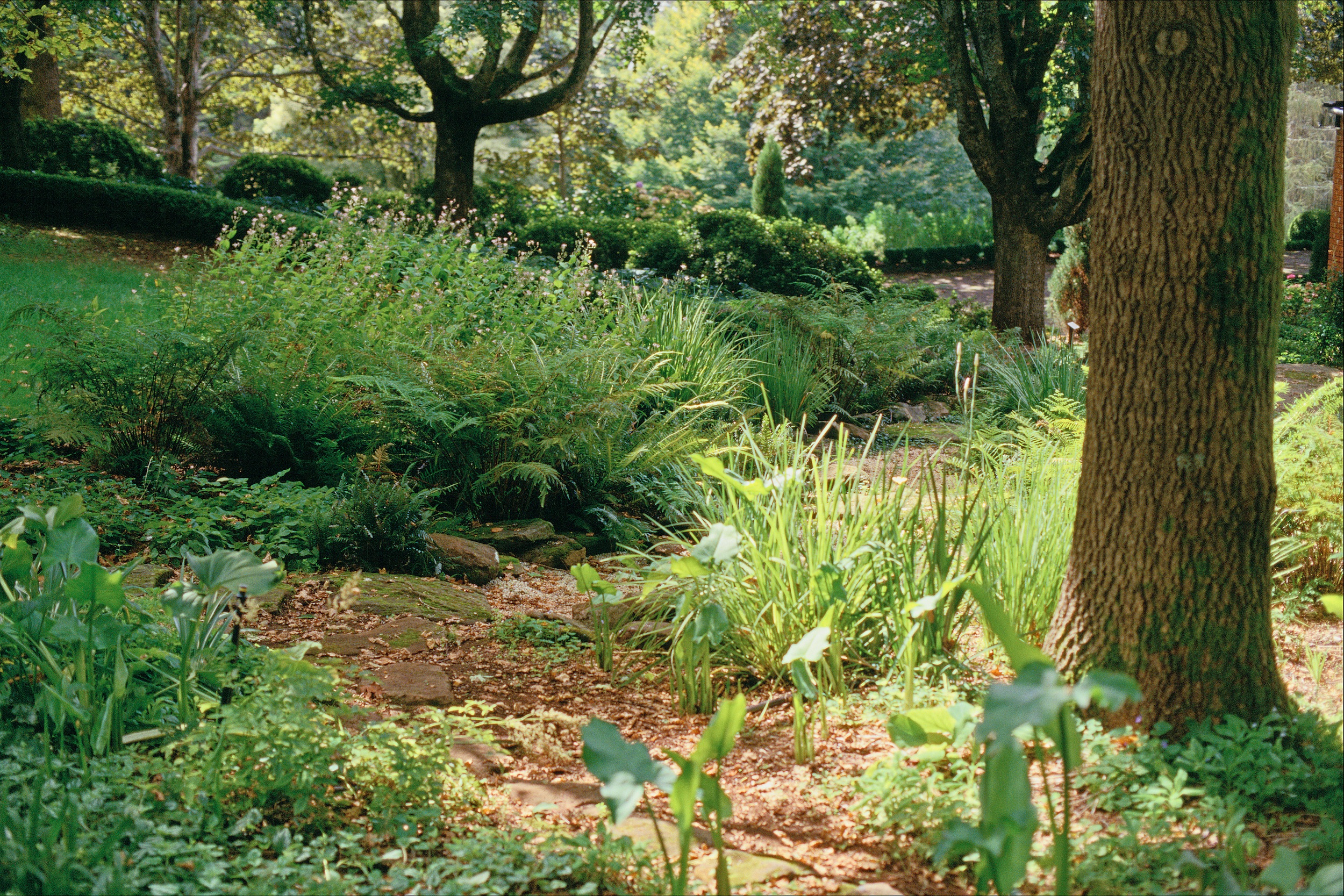
Yes. Wingecarribee Shire Council estimates the Southern Highlands is home to 3,000 to 4,000 koalas, and the region contains two of the NSW Koala Strategy’s stronghold populations, one in the east and one in the west. The size of the population became clear after the 2013 bushfire, when koalas appeared in backyards and on roads near the Hume Highway, and it is now one of the most studied populations in the state.
The local population almost disappeared in the century after European settlement through clearing, the fur trade and drought. Habitat fragmentation and vehicle strikes remain the main pressures today. Koalas in NSW have been listed as endangered since 2022.
Gundungurra Traditional Owners call the koala Guula, and Dharawal Traditional Owners call it Garilwa.
What threatens koala habitat?
Habitat loss and fragmentation are the main threats to koalas in New South Wales. When bushland is cleared or broken into small, isolated patches, koalas have to cross more open ground to find food trees, which exposes them to vehicle strikes and dog attacks. Bushfire, drought and disease, including chlamydia, add to the pressure, and they hit hardest where populations are already small and cut off from each other. Reconnecting habitat is where a rural property can help most.
Which trees do koalas eat in the Southern Highlands?
Southern Highlands koalas eat at least 23 species of eucalypt as koala food trees, according to Wingecarribee Shire Council, and the council’s Koala Habitat Trees guide identifies the species associated with koala habitat in the region. The most reliable approach on any property is to plant the eucalypts that already grow naturally on that site or nearby, using local provenance stock, because those are the species local koalas know and the ones suited to the soil and frost.
- Start with what is there. Mature eucalypts already on the property, including paddock trees, are the most valuable habitat. Keeping them is worth more than any planting.
- Plant local eucalypts. Ribbon gum (Eucalyptus viminalis) is widely used by koalas across south-east Australia, and it grows on the Highlands. Other species depend on the site’s soils, from the basalt plateau to the sandstone country, and the council’s guide is the place to confirm them.
- Use local provenance trees. Wingecarribee Shire Council has given more than 12,000 local-provenance koala habitat trees to Land for Wildlife properties since 2021.
- Add shelter. Dense, shady trees and tall shrubs near food trees give koalas somewhere to rest.
How to design an acreage property for koalas
Designing acreage for koalas is mostly about where trees go and how the property is managed between them.
- Corridors. Plant to join existing patches of bush, usually along creek lines, gullies, ridges and boundaries, so koalas can move across the property in tree cover. Clumps planted close together work better than single trees scattered across a paddock.
- Paddock trees. Keep old paddock trees and protect them from stock with fenced guards, and plant replacements nearby so the next generation is growing before the old trees die.
- Fences. Barbed wire can snag and injure koalas, and plain wire fences are easier for them to cross than barbed or solid ones. Where a solid fence is needed, a leaning timber post or a gap at the base gives koalas a way over or through.
- Dogs. Koalas are most active at night and often cross open ground after dark. Keeping dogs contained at night, especially near trees, protects them when they are most exposed.
- Driveways. Long rural driveways cross koala movement routes. Low speeds, good sight lines and tree planting that brings koalas across at narrow points rather than along the drive all help.
- Water. Koalas can drown in swimming pools and steep-sided tanks or troughs. A thick rope or a fixed ramp gives them a way out, and pool fencing that koalas cannot climb keeps them out in the first place.
How koala habitat fits with bushfire planning
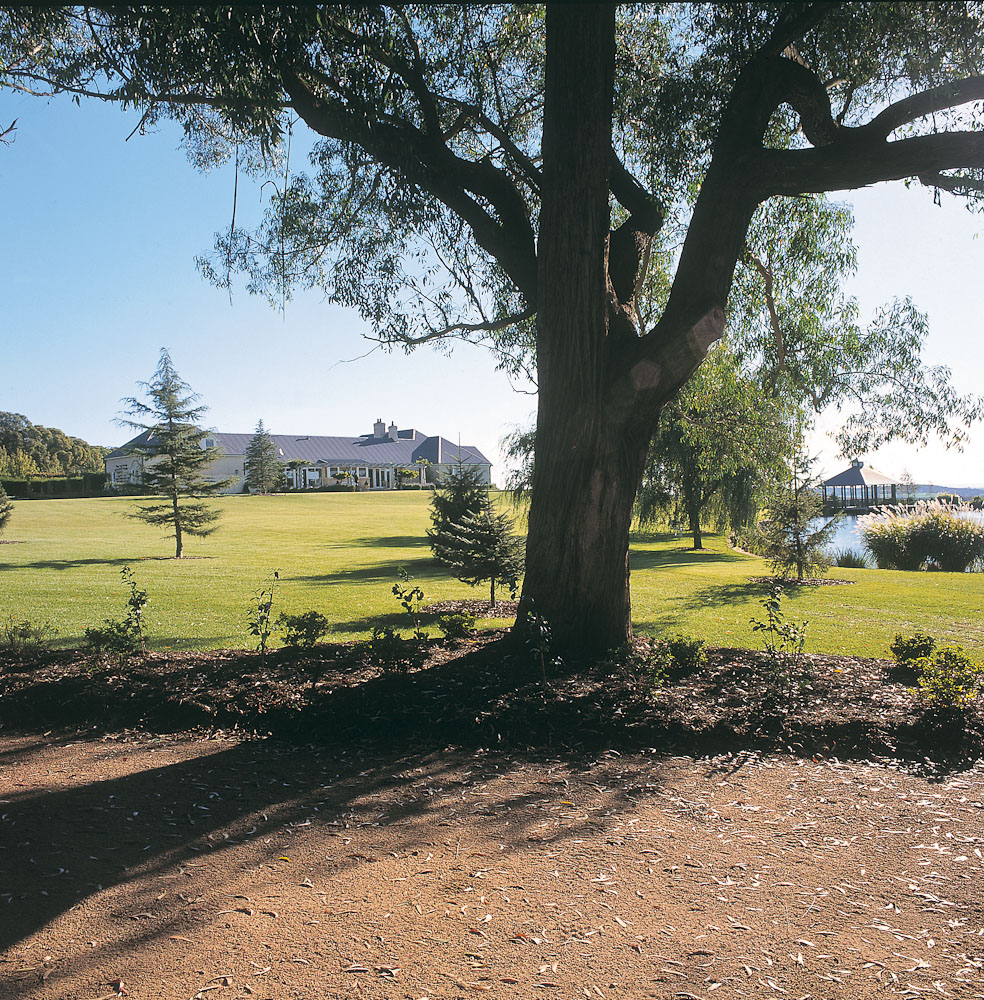
Koala habitat and bushfire planning are resolved together on Highlands acreage, because both decide where trees can go. On bushfire prone land, the asset protection zone around a house limits tree cover close to the building, so koala planting belongs outside it, in corridors and clumps further out where it does not carry fuel to the house. Mapped koala habitat and threatened ecological communities can also limit what may be cleared for bushfire protection, so the two are checked against each other before the master plan is finalised.
For development applications, councils consider koala habitat mapping when assessing a proposal. Wingecarribee Shire Council and the NSW Government have prepared fine-scale maps of highly suitable and core koala habitat for the region to support planning decisions.
Help for landholders
Several programs support koala habitat on private land in the Southern Highlands.
- Land for Wildlife, through which the council has supplied local-provenance koala habitat trees to participating properties.
- Biodiversity Conservation Trust agreements and tenders, which can fund landholders to protect habitat on their land.
- Koala sightings, which can be reported to the council through the Koala Spotter app or the Koala Hotline on 1300 680 888, and help map where koalas are moving.

Where koala habitat fits in an acreage master plan
On most acreage the intensively kept garden is a hectare or less around the house, as set out in how big an acreage is and how much of it should be garden. The rest of the property, the paddocks, creek lines, dam edges and boundaries, is where koala habitat belongs, joined into corridors and kept outside the bushfire setbacks around the house. There is more on drawing those zones in how the garden zones are planned around a new acreage home.
Nicholas Bray is a Registered Landscape Architect (RILA 958) with more than 30 years in practice, working from Moss Vale across the Southern Highlands, Sydney, the South Coast and regional NSW. Habitat planting, shelter belts and the garden are designed and staged as one plan, and the practice works alongside ecologists where a site needs a formal assessment.
Common questions about koala habitat
Do koalas live in the Southern Highlands?
Yes. Wingecarribee Shire Council estimates 3,000 to 4,000 koalas live in the Southern Highlands, the largest population in southern NSW, with stronghold populations in both the east and west of the region.
What trees should I plant for koalas?
Plant the local eucalypts that already grow on or near your property, from local provenance stock. Southern Highlands koalas eat at least 23 eucalypt species, and Wingecarribee Shire Council’s Koala Habitat Trees guide lists those associated with koala habitat in the region.
How can I make my property koala friendly?
Keep existing eucalypts, plant local food trees in connected clumps and corridors, use plain wire rather than barbed wire fences, keep dogs contained at night, and give koalas a way out of pools, tanks and troughs.
If you are planning habitat planting alongside the garden on a Southern Highlands property, book a consultation with Nicholas Bray Landscapes on 0417 278 267 or at contact@nicholasbray.net.au.
Planning your garden?
Talk to Nicholas Bray about your property.
Tell us a little about your site and what you have in mind, and we’ll be in touch to arrange a consultation.
Prefer to talk? Call 0417 278 267

About the author
Nicholas Bray, Registered Landscape Architect (RILA 958, AILA)
Nicholas Bray is the principal of Nicholas Bray Landscapes, a landscape architecture and construction business based in Moss Vale in the Southern Highlands. With 25 years of experience across landscape architecture, horticulture and environmental planning, he designs and builds gardens for large acreage estates, rural properties, vineyards, schools and commercial sites throughout the Southern Highlands, Central and Southern New South Wales.
Nicholas studied landscape architecture in Australia and Canada, and horticulture at the Royal Horticultural Society’s garden at Wisley in the United Kingdom. He has worked at the Hanbury Botanical Gardens in La Mortola, Italy, and completed projects in Spain, the United Kingdom, Singapore and Canada.
His work balances the built and natural environments with site specific planting, stonework, pools and water features, and he is well known for guiding complex landscape plans through council approval.